
Accredited Universities in Washington, D.C.: What Students Should Know
September 14, 2026 2026-09-14 19:37Accredited Universities in Washington, D.C.: What Students Should Know
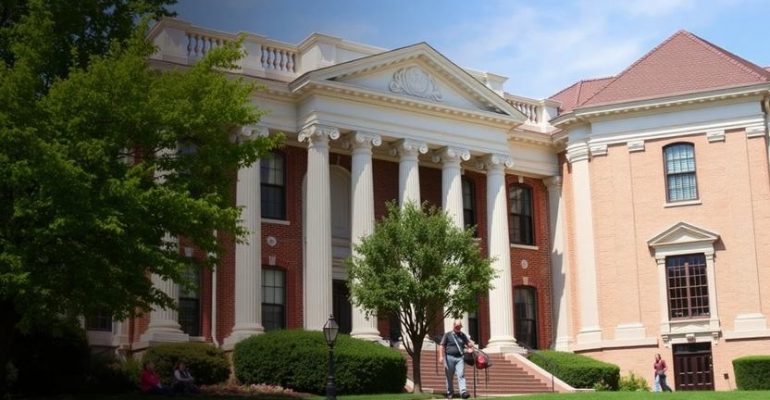
Accredited Universities in Washington, D.C.: What Students Should Know
Students searching for accredited universities in Washington DC are often looking for more than a list of university names. They want to understand accreditation, academic programs, learning formats, institutional credibility, and whether a university fits their educational goals.
Washington, D.C. is a distinctive higher education environment. The nation’s capital is home to universities and other educational institutions serving traditional campus-based students, working professionals, adult learners, and students studying through online and flexible formats.
For prospective students, however, location should not be the only consideration. A university should be evaluated based on its accreditation status, academic offerings, learning model, institutional information, student support, and the intended use of the credential.
Why Consider Universities in Washington, D.C.?
Washington, D.C. occupies a unique position in American higher education.
As the capital of the United States, the District is closely associated with government, public policy, international affairs, law, diplomacy, business, nonprofit organizations, research, and professional services.
That environment can make Washington, D.C. an interesting location for students researching higher education opportunities.
However, students should avoid assuming that a university’s location automatically determines its academic quality. Geographic location is one factor among many.
What Does “Accredited University” Mean?
An accredited university is an institution that has undergone an external accreditation process through an accrediting organization.
The accreditation process can evaluate areas related to academic standards, institutional governance, educational resources, student services, policies, assessment, and institutional effectiveness, depending on the applicable accreditation framework.
Students should therefore investigate the specific accreditation status rather than relying on the word “accredited” alone.
How to Evaluate Accredited Universities in Washington, D.C.
There is no single factor that determines whether a university is the right choice for every student.
A practical evaluation should begin with several core questions.
1. Is the University Currently Accredited?
Start by finding the institution’s official accreditation information.
Look for:
- The name of the accrediting organization
- The type of accreditation
- Current accreditation status
- Accreditation reference or number, where applicable
- Relevant evaluation information
- Validity or review dates
Students should then verify important information through appropriate official sources.
2. What Academic Programs Are Available?
Accreditation is important, but students ultimately enroll in academic programs.
Review the actual degree or credential you are considering.
Questions to ask include:
- What degree level is offered?
- What is the field of study?
- What subjects are included?
- How are students assessed?
- What are the academic requirements?
- Does the curriculum match your educational objective?
3. How Is the Education Delivered?
Not every student wants the same learning environment.
Some students prefer traditional campus-based study. Others need online, flexible, or self-paced education because of work, family responsibilities, location, or other commitments.
Before applying, understand how the university actually delivers its programs.
4. What Student Support Is Available?
Students should investigate what resources are available during their academic journey.
Depending on the institution, support may include academic assistance, administrative services, student resources, technology support, or other forms of learner assistance.
5. Is Institutional Information Easy to Verify?
Transparency is an important part of responsible university research.
Students should be able to find meaningful information about the institution, its programs, admissions requirements, academic policies, learning model, and relevant institutional status.
Institutional Accreditation vs. Program Accreditation
When researching universities in Washington, D.C., students may encounter both institutional and programmatic accreditation.
| Institutional Accreditation | Programmatic Accreditation |
|---|---|
| Evaluates the institution as a whole. | Focuses on a specific academic program or professional field. |
| Addresses broader institutional standards. | Addresses standards specific to a discipline or profession. |
| Can help students evaluate the institution’s broader academic and organizational framework. | May be particularly relevant where professional or field-specific standards apply. |
Students should determine which type of accreditation is relevant to their particular educational objective.
Online Universities in Washington, D.C.
Searching for universities in Washington, D.C. does not necessarily mean that a student must relocate to the District.
Some institutions offer online education, allowing students to participate from different locations.
For online students, the evaluation process should include questions about:
- Online course delivery
- Self-paced or scheduled learning
- Academic assessments
- Communication with faculty or academic personnel
- Student support
- Technology requirements
- Program duration
- Credential verification
The important question is not simply whether a university is located in Washington, D.C., but whether its learning model and academic programs fit the student’s circumstances.
Washington, D.C. and Online Higher Education
Online education can be particularly relevant for students who cannot relocate to Washington, D.C. or attend a traditional campus schedule.
A flexible online model may allow learners to organize their education around professional, family, or geographic commitments.
However, flexibility should not be confused with a lack of academic expectations.
Students should understand the academic requirements, assessments, deadlines, learning resources, and responsibilities associated with the specific program.
How to Verify a Washington, D.C. University’s Accreditation
Students should use a consistent verification process when comparing institutions.
Step 1: Find the Official Accreditation Page
Visit the university’s official website and locate its accreditation or institutional-status information.
Step 2: Identify the Accrediting Organization
Do not stop at the word “accredited.” Identify the organization responsible for the accreditation.
Step 3: Review Current Status
Check current accreditation information, including relevant dates, status, and references.
Step 4: Investigate the Accreditor
Research the accrediting organization and understand the scope of the accreditation.
Step 5: Check the Program Separately
Institutional accreditation does not automatically answer every question about a particular professional or academic program.
If your intended career or further-study pathway has specific requirements, investigate those requirements separately.
What Students Should Compare Before Enrolling
| Factor | Questions to Ask |
|---|---|
| Accreditation | What is the current accreditation status? |
| Programs | Does the university offer the degree or field I need? |
| Learning format | Is the program online, campus-based, flexible, or self-paced? |
| Admissions | What are the admission and academic requirements? |
| Student support | What resources are available to students? |
| Credential verification | How can graduates verify their academic credentials? |
| Future use | Will the credential meet the requirements of my intended employer, university, licensing body, or other organization? |
Why Washington, D.C. Location Can Be Relevant
The location of a university can provide useful context, but it should not replace academic research.
Washington, D.C. has a strong association with:
- Government
- Public administration
- International affairs
- Law and policy
- Diplomacy
- Nonprofit organizations
- Business and professional services
- Research and higher education
Students interested in these areas may find the District particularly relevant when researching educational opportunities.
Nevertheless, the academic program remains the central consideration. A location alone does not establish the quality or suitability of a university.
THE A.U. in Washington, D.C.
The American University of Higher Education, THE A.U., identifies itself as a Washington, D.C.-based higher education institution with an emphasis on online, flexible, and self-paced learning.
The university publishes institutional information covering its academic structure, programs, online learning model, accreditation, student resources, and credential verification.
Students considering THE A.U. should review the current official institutional information rather than relying exclusively on third-party descriptions.
Explore THE A.U. Institutional Profile
Review Accreditation & Institutional Status
Credential Verification Matters Too
University research should not end when a student confirms accreditation.
Graduates may eventually need to demonstrate that their academic credential was actually issued by the institution.
This can matter when applying for employment, continuing education, professional opportunities, or other situations where academic credentials must be authenticated.
THE A.U. provides an Online Credential Verification System, or OCVS, as an institutional resource for credential verification.
Learn About the Online Credential Verification System
Accreditation Does Not Mean Universal Acceptance
Students should be careful with statements suggesting that accreditation guarantees universal recognition or acceptance.
Different organizations can establish different requirements.
For example, a graduate may need to confirm requirements with:
- An employer
- A graduate school
- A professional licensing authority
- A government agency
- A credential evaluation organization
- A professional association
This is particularly important when a degree will be used outside the United States or in a regulated profession.
Questions to Ask When Comparing Washington, D.C. Universities
Use these questions to create a practical comparison:
- Is the institution currently accredited?
- Who is the accrediting organization?
- What type of accreditation does the institution hold?
- Does the university offer my intended degree?
- Does the curriculum fit my academic objective?
- How is the program delivered?
- How flexible is the learning model?
- What academic support is available?
- What are the admission requirements?
- How can the credential be verified?
- Will the credential meet the requirements of my intended use?
Common Mistakes When Choosing a University
Choosing Based Only on Location
Being located in Washington, D.C. does not automatically make a university appropriate for every student.
Looking Only at Accreditation
Accreditation is important, but academic programs, learning format, support, and future credential requirements also matter.
Assuming Online Means Easy
Online education can provide flexibility, but students remain responsible for meeting the academic requirements of their program.
Ignoring Future Requirements
A student should investigate the requirements of the employer, licensing body, graduate school, or other organization that will eventually evaluate the credential.
Relying on Outdated Information
Institutional and accreditation information can change. Always review current official sources before making a final decision.
Washington, D.C. University Research Checklist
- ☐ Confirm the institution’s official name
- ☐ Confirm the Washington, D.C. location or institutional information
- ☐ Find the official accreditation page
- ☐ Identify the accrediting organization
- ☐ Verify current accreditation status
- ☐ Review the specific academic program
- ☐ Compare learning formats
- ☐ Review admissions requirements
- ☐ Examine student support
- ☐ Review tuition and applicable costs
- ☐ Check credential verification options
- ☐ Confirm requirements for your intended use of the degree
Frequently Asked Questions
Are universities in Washington, D.C. accredited?
Many higher education institutions in Washington, D.C. have accreditation relationships, but students should verify the current accreditation status of each individual institution they are considering.
How can I find accredited universities in Washington, D.C.?
Begin by identifying institutions that offer the academic program you need, then review each institution’s official accreditation information and verify the relevant accreditation status.
Is an accredited university automatically a reputable university?
Accreditation is an important evaluation factor, but students should also examine academic programs, institutional transparency, student support, learning format, and other factors relevant to their goals.
Can I study at a Washington, D.C. university online?
Some institutions offer online education. Students should check the specific university and program to understand whether online, flexible, or self-paced study is available.
Does an online degree from a Washington, D.C. university count as a U.S. degree?
The answer depends on the institution, credential, accreditation status, and the requirements of the organization evaluating the degree. Students should verify the specific circumstances rather than relying on a general assumption.
Does accreditation guarantee that a degree will be accepted by an employer?
No. Employers can establish their own educational and professional requirements. Students should confirm requirements directly with the relevant employer when necessary.
How can I verify a university degree after graduation?
Universities may provide official credential verification services. Students should check whether the institution offers a verification system or process and retain appropriate academic records.
Final Thoughts
Choosing among accredited universities in Washington DC requires more than finding an institution with a Washington, D.C. address.
A responsible university search combines accreditation verification with careful evaluation of academic programs, learning format, institutional information, student support, credential verification, and future requirements.
For students considering online education, the process is especially important. Flexibility can make higher education more accessible, but students should still investigate the institution and program carefully.
The strongest decision is the one based on verified information and a clear understanding of your own academic objectives.
Explore Higher Education at THE A.U.
Review accreditation, academic programs, online learning, university information, and credential verification resources.
Accreditation
|
Academic Programs
|
Online Learning
|
Credential Verification
